Co-Living, Redefined?
Project Cheadle
Case Study: High-Spec Mini HMO – Premium Co-Living, Premium Returns
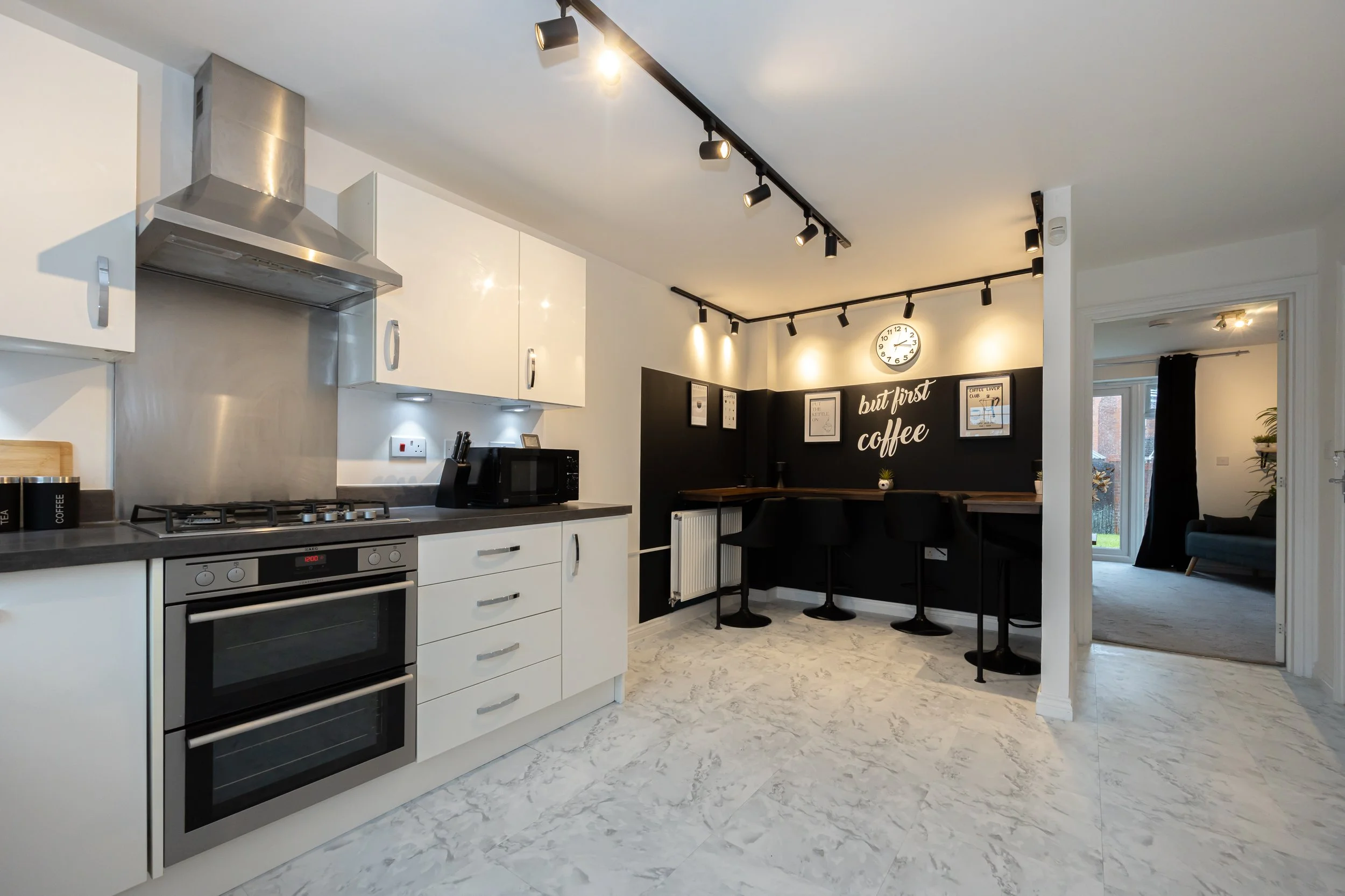
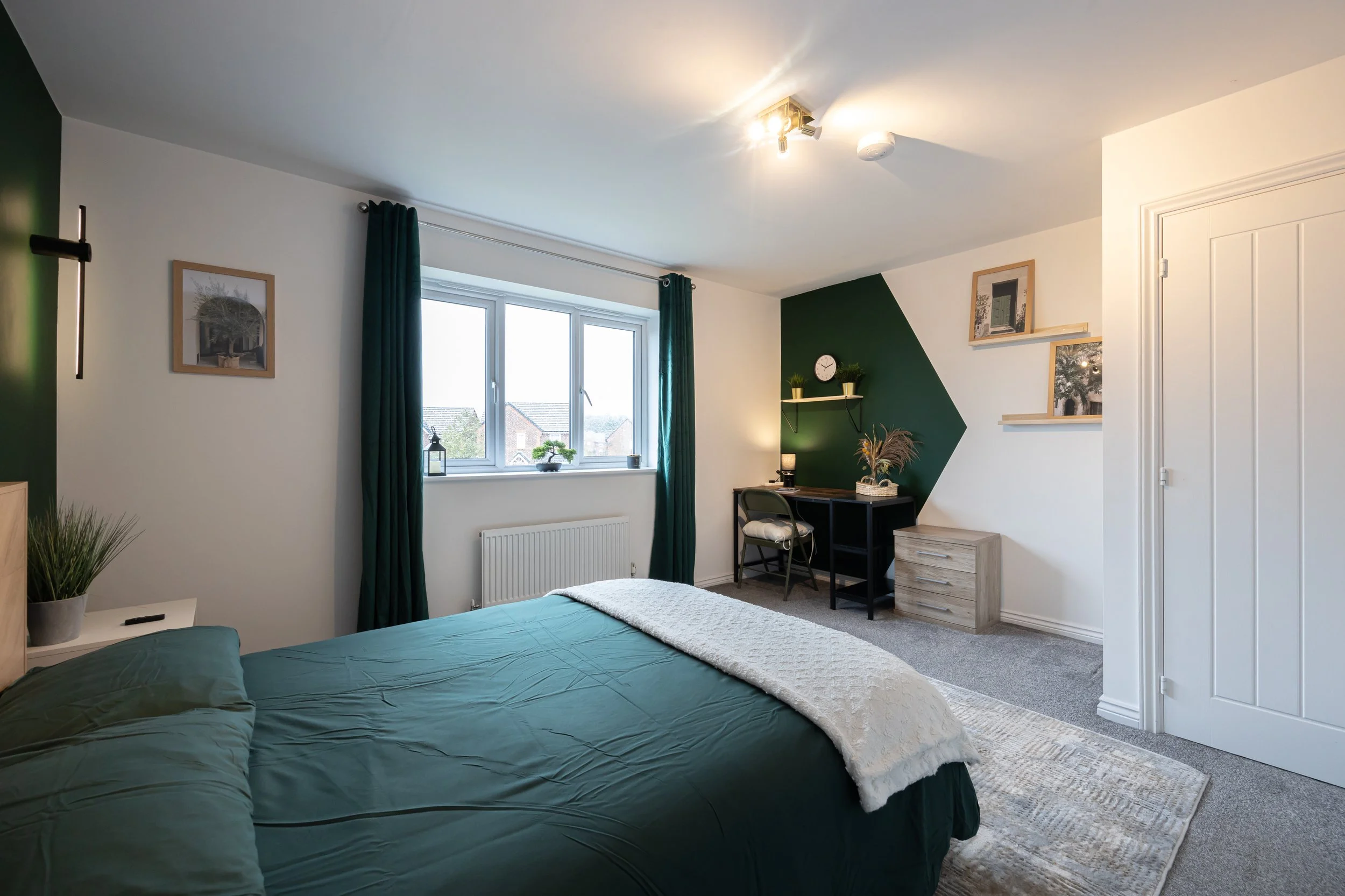
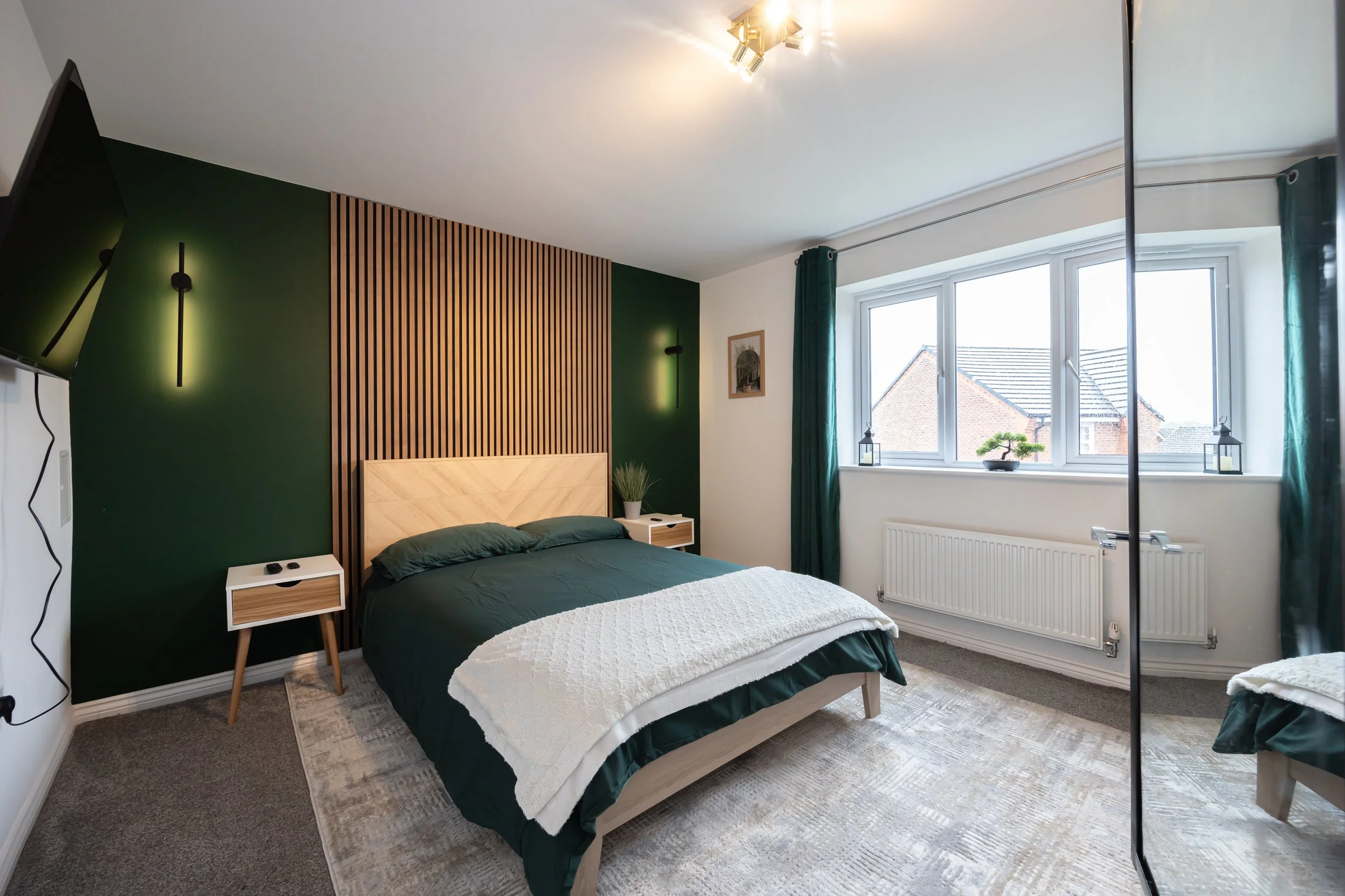
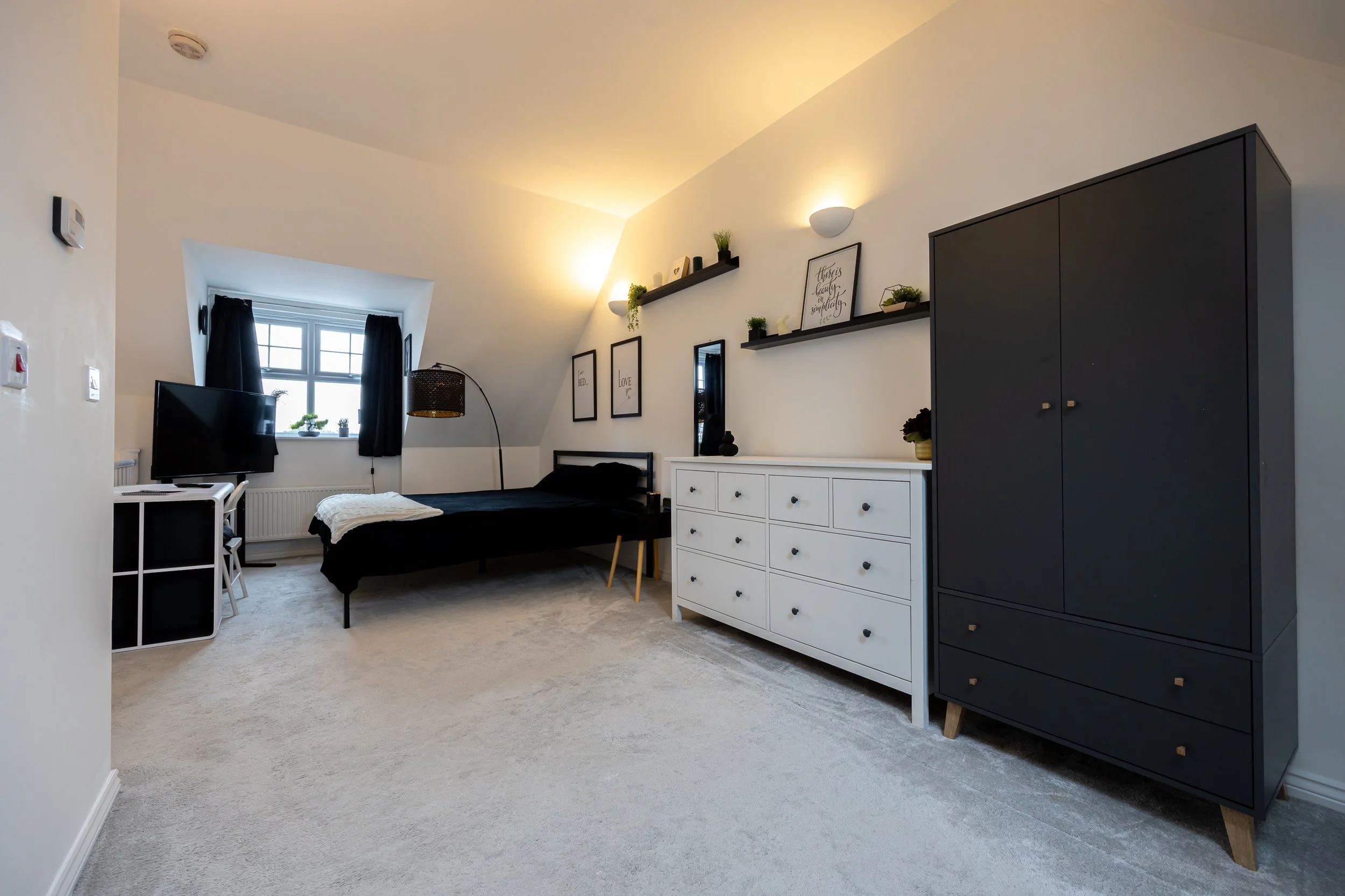
This project was conceived to challenge the typical HMO model. Instead of maximising room count at the expense of space and tenant quality, the strategy was to create a high-spec, spacious mini-HMO that attracts a more professional tenant profile, drives longer tenancies, and materially reduces voids and management friction.
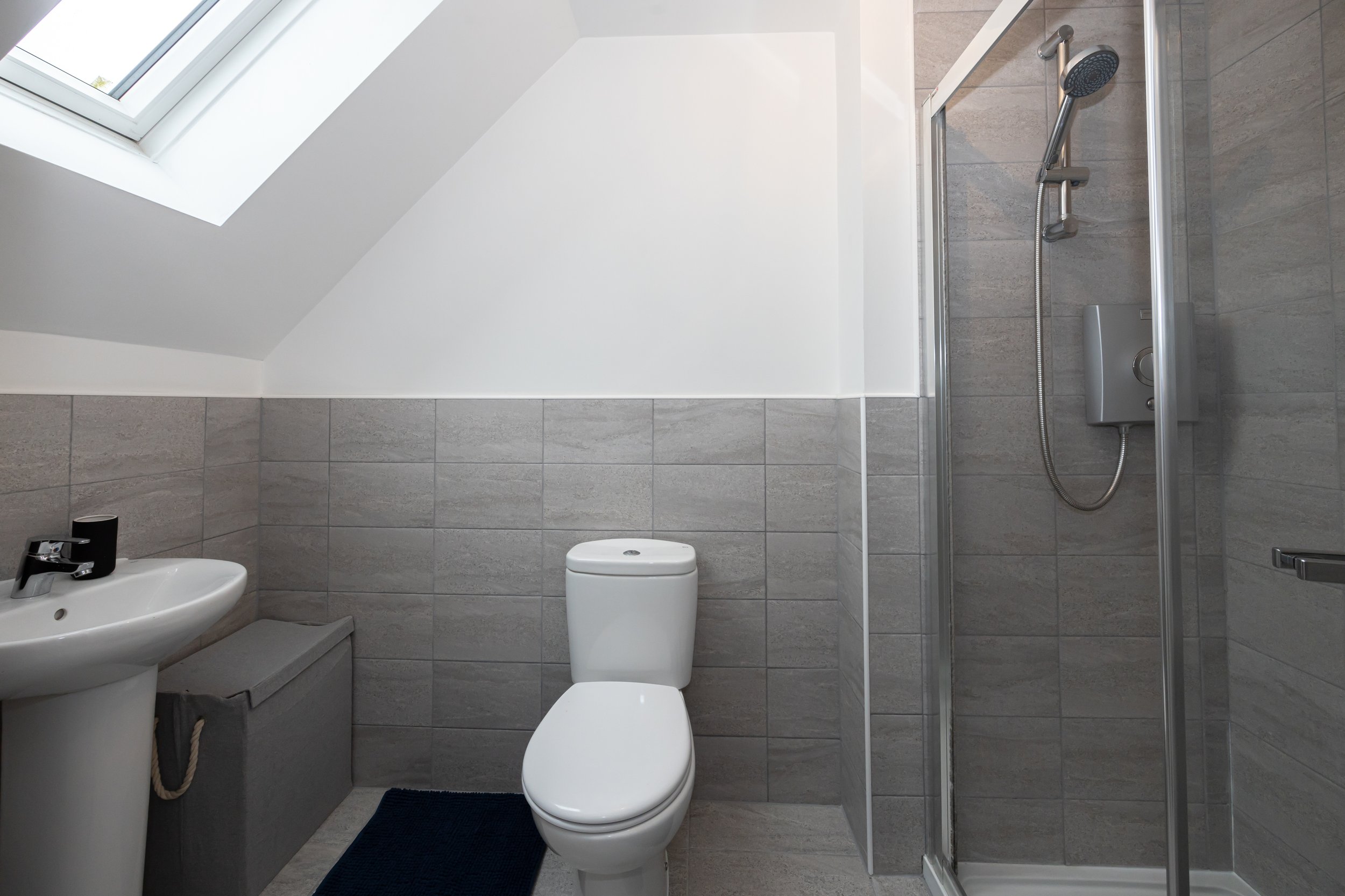
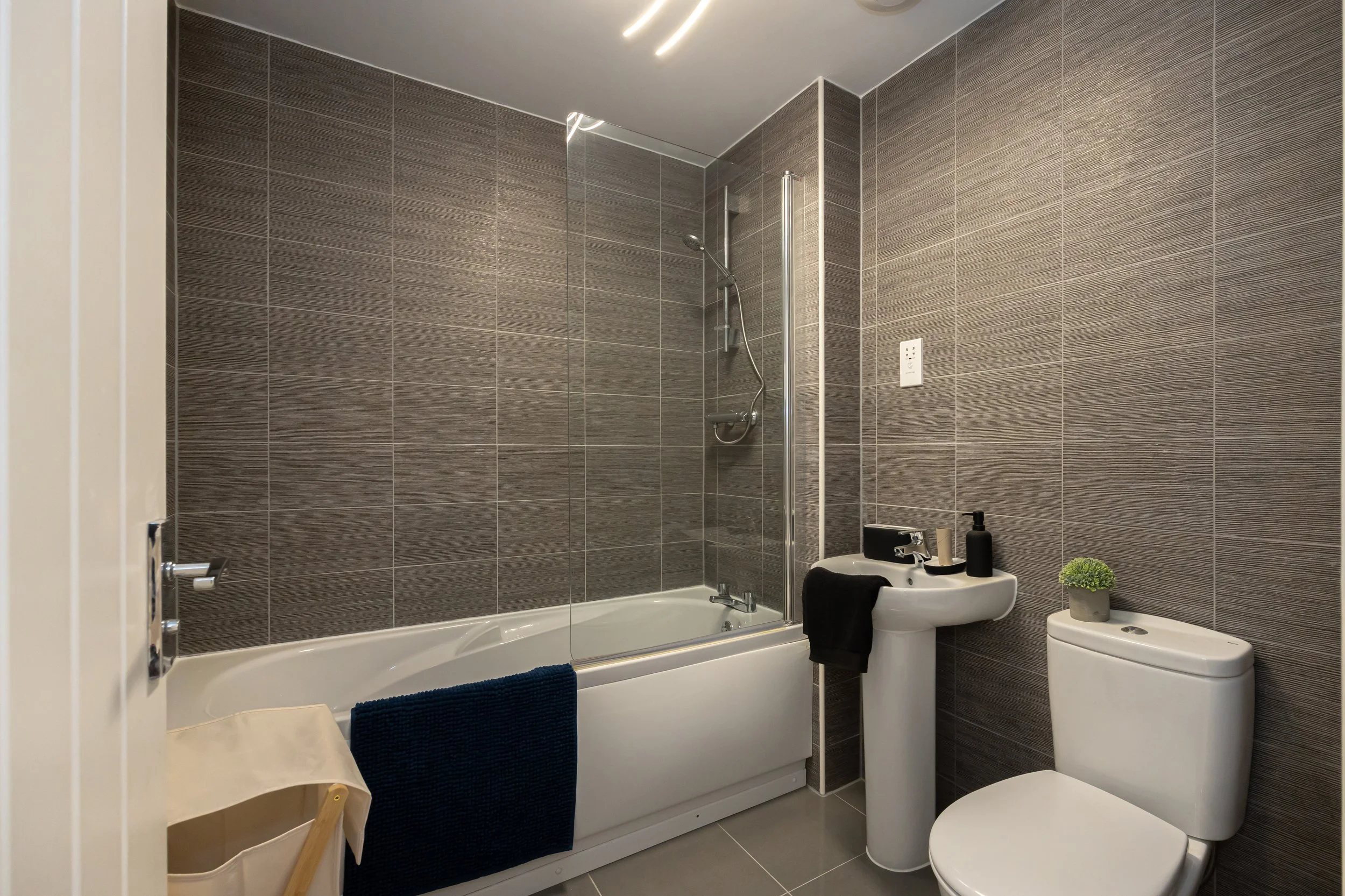
The result is a 3-bedroom co-living property that feels more like a boutique shared home than a standard HMO. Generous communal space, high-quality finishes, and a design-led refurbishment have repositioned the asset firmly into the premium end of the shared living market.
This approach delivers two critical advantages:
Lower tenant turnover – better tenants stay longer, reducing voids and re-letting costs.
Stronger, more resilient rent – premium rooms in a premium product outperform standard HMOs in both demand and stability.
In short: this is co-living done properly — not a race to the bottom on space or specification, but a sustainable, high-performing asset built for long-term cash flow and capital preservation.
The property now generates £2,300 per month in gross rent, proving that quality-led design and intelligent space planning can outperform traditional “cram-and-rent” HMO strategies.
The Numbers
Purchase Price: £200,000
Refurbishment Cost: £60,000
Total Capital Invested: £260,000
Refinance Valuation: £280,000
Refinance at 75% Loan-to-Value (LTV):
→ £210,000 new mortgageGross Rent: £2,300 per month
Annual Gross Rent: £27,600
Investment Rationale
Premium co-living specification = higher quality tenants
More space per occupant = lower turnover and fewer voids
Strong design and finish = rent resilience and market differentiation
Optimised for sustainable cash flow, not short-term yield tricks
This project demonstrates a core principle of our strategy:
Build better, attract better tenants, and the numbers look after themselves.